
The Whole-Child Learning Check
What’s Missing From Your Child’s Education?
- Free
- About 3 minutes
- Your child doesn’t need to be there
We’ll email you a copy of your report.
Example
A detailed report, plus free resources to help
When you finish, you’ll get a personal report on your child’s learning, plus free printables made around their age and interests.
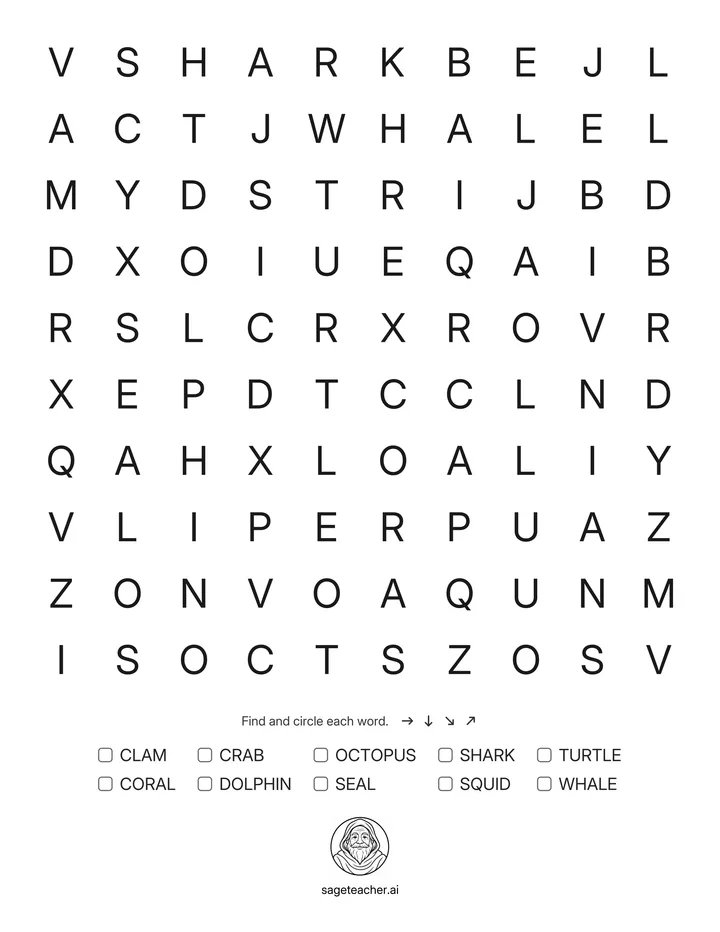
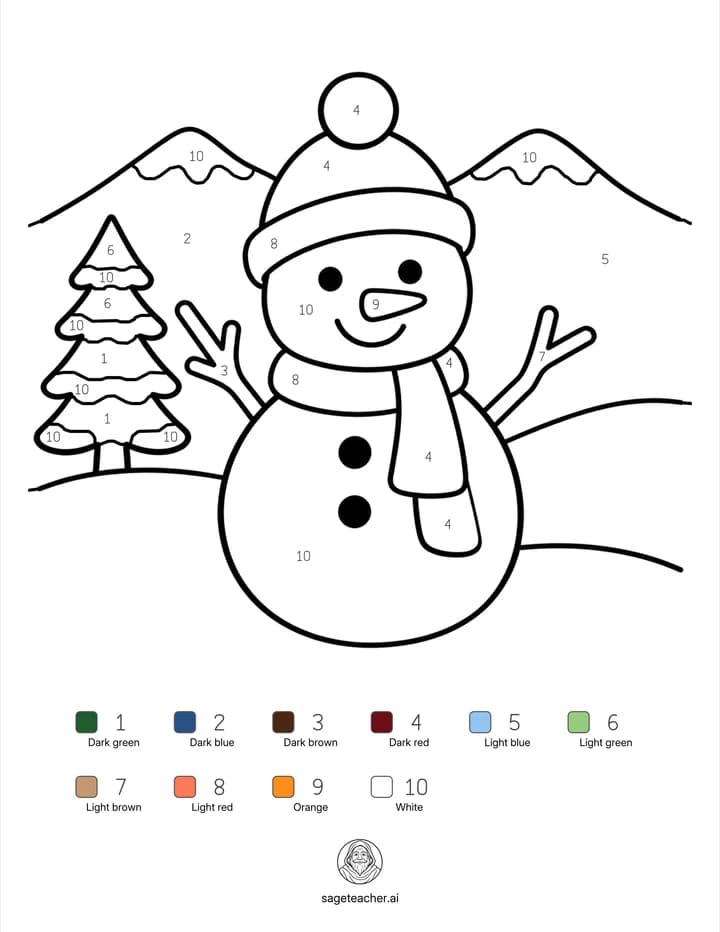
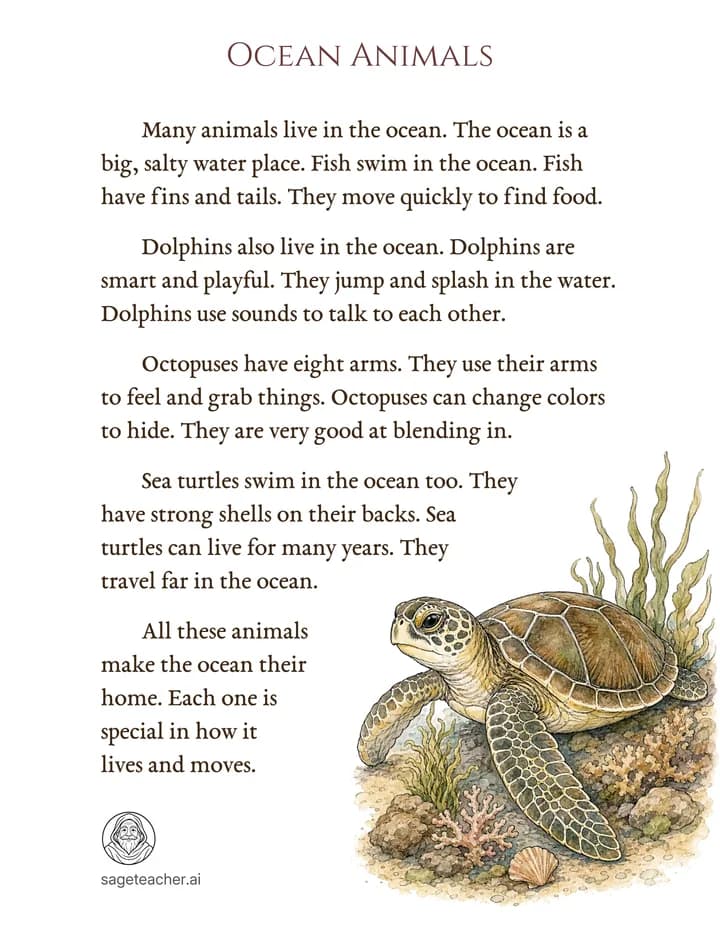
How it works
About three minutes, start to finish
Answer a few quick questions
Tap through short questions about what a usual week looks like for your child. It’s not a test, and there are no wrong answers.
See their Learning Landscape
A personalized report about how your child learns, showing where they’re thriving and what might be getting overlooked.
Get easy wins and free printables
Quick ideas to try at home, starting where there’s the most room to grow, plus printables made for your child’s age and interests.
What your report covers
Where your child is thriving, and where there’s room to grow
Your personalized Learning Landscape looks at two things: the subjects your child has chances to explore, and how that learning typically happens.
Five subject areas
Drawn from the subjects that make up a well-rounded education in the Every Student Succeeds Act, the federal law for K–12 schools.
- Reading & LanguageBooks, stories, new words and conversation.
- Math & ReasoningNumbers, shapes, patterns and puzzles.
- Science & NatureNoticing, asking and testing how the world works.
- Geography & CultureMaps, places, languages and traditions.
- Art, Music & CreativityMaking, singing, building and imagining.
Four ways your child learns
Drawn from the National Association for the Education of Young Children’s guidance on how young children learn best, and the American Academy of Pediatrics’ advice on young children and screens.
- Following their curiosityFree time to explore their own ideas, without a grown-up leading.
- Guided challengeThings that are just hard enough, with support when they’re stuck.
- Learning by doingUsing hands-on materials that help make ideas stick.
- Screen time that countsWhat screen time is spent on, not just how long it lasts.
This check is not a test or a diagnosis. Inspired by the National Academies’ research on “opportunity to learn”, it looks at the chances your child has to learn in everyday life, not at what your child already knows.
Ready to see what’s missing?
From Sage, the calm AI teacher