Reading apps
3 Reading Eggs Alternatives for Young Readers
If your child is collecting golden eggs but still needs help reading the words, a different kind of support may be more useful than another lesson to finish. These alternatives offer three ways forward.
Why families switch
What You Want to Change About Reading Time
Reading Eggs combines a placement test, a sequence of lessons, and rewards for progress. Parents can change the lesson level or reset the placement test. Those are useful tools, but another approach may better fit the part of reading time that is proving difficult.
- Your child knows letter sounds but struggles to read words
- Recognizing individual letter sounds and blending them into a word are different skills. A beginning reader may need explicit teaching and practice connecting those sounds, then applying them to words and sentences.
- The rewards are becoming the main attraction
- Reading Eggs awards golden eggs that children can spend on avatar items, furnishings, and games. If collecting them has become the point of reading time for your child, you may prefer an approach centered on the work itself.
- You want to teach together
- Some parents want a clear explanation of what to say and practice with their child. A program that guides the adult can make shared reading lessons easier to lead.
- You want reading practice without another bill
- If your family needs a few useful phonics activities rather than a full subscription, free lessons and books may be enough. A lower-cost option should still match the skill your child is learning.
Our Recommended Reading Eggs Alternatives
Sage Teacher is our top choice for families who want their child to learn to read with a teacher leading the lesson. Sage teaches the connections between letters and sounds, then helps children use those patterns to read unfamiliar words. The teaching adjusts to your child, so you do not have to lead every reading session yourself.
Sage’s reading activities cover letter sounds, blending, decoding, and spelling. Children build words, practice short and long vowel patterns, read sentences, and work through books with their teacher. Vocabulary and comprehension are part of that work too: Sage checks that children understand what they read.
If your child gets stuck sounding out a word, Sage can break the work into smaller steps, revisit a letter sound, or give more practice with a spelling pattern. It remembers their progress so later lessons can build on what they know and return to skills that need more time.
There are no points, prizes, or streaks to collect. Reading sits alongside math, science, art, music, and storytelling, all included in the same family subscription.
Sage works on iPad and the web. One subscription covers your whole family for $299.99 a year or $49.99 a month, with a 7-day free trial. The annual plan gives every child access to personal teaching for less than $1/day.
Start my free trial with Sage Teacher
Reading.com
A clear plan for teaching your child to read
Reading.com is a strong choice when you want to lead the reading lessons yourself. It supplies scripted phonics instruction, so you know what to say and how to guide your child without planning a course from scratch.
You work through letter sounds and words together, then read books that use the skills your child has learned. The adult-child partnership is central to the program. It is especially useful when you want to be closely involved and can make time to sit together.
The program is designed for beginning readers around ages 3½–8 and runs on phones and tablets. It focuses on reading; it does not replace the Mathseeds portion of a Reading Eggs bundle. Our Sage Teacher vs Reading.com comparison explains the difference between adult-led lessons and Sage’s AI teaching.
Parent subscriptions cover up to three children and include a 7-day trial. The US Apple App Store lists a $74.99 yearly plan and monthly offers at $12.49 and $14.99. The price available to you depends on the purchase channel and offer; confirm it before subscribing.
Starfall Learn to Read
Free phonics practice and short books
Starfall Learn to Read is our pick when you want useful early reading practice without paying for another subscription. Its free sequence pairs phonics games with short books, starting with simple consonant-vowel-consonant words and moving into more letter-sound patterns.
The clear sequence makes it easy to return to a particular sound or book. It works well alongside reading with an adult, especially when a child needs more practice applying a skill they have already begun learning.
Starfall is a collection of lessons and activities. An adult can sit alongside the child to explain a difficult part and connect the on-screen practice to a printed book. We recommend it for free practice and shared reading, rather than expecting it to fill every teaching need.
Learn to Read is free on the website and as a separate app. Starfall’s broader home membership is $35 a year when purchased on its website and includes website and mobile access. App-store subscription pricing differs.
Choosing your next step
Choose How Your Child Will Learn to Read
Choose Sage Teacher for phonics and early-reading lessons led by a personal AI teacher, with practice that responds to your child’s progress. If you want to teach reading yourself with a clear plan, choose Reading.com. If cost is the main reason for switching, try Starfall’s free reading sequence first.
Reading Eggs can remain a useful choice for a child who enjoys its lesson sequence and rewards. Families using its reading-and-math bundle should also account for Mathseeds before replacing it with a reading-only program.
A few more answers
Questions parents ask.
Is there a free alternative to Reading Eggs?
Yes. Starfall Learn to Read offers free phonics activities and short books on the website and in its separate app. A paid Starfall membership adds a broader collection, but you do not need it to use the free reading sequence.
Which alternative can my child use without me teaching every lesson?
Sage Teacher leads phonics and early-reading lessons, teaching letter sounds, blending, word reading, and spelling while adjusting practice to your child. Reading.com’s core lessons are designed for an adult and child to do together. Young children may still need help getting started or using a device with any app.
Will these apps replace Mathseeds too?
Sage includes math as well as reading. Reading.com and Starfall Learn to Read are reading choices. Starfall’s broader paid membership includes math activities, but that is a different offering from its free Learn-to-Read sequence.
Does my child have to start reading again from the beginning?
Not necessarily. Reading.com offers an optional placement assessment for parent subscriptions. Starfall lets you choose activities from its reading sequence. Sage uses what your child shows they understand to select work and return to earlier skills when needed.
How did you choose these alternatives?
Sage Teacher publishes this guide. We selected a focused group for three different needs: guided learning, parent-led reading instruction, and free phonics practice. The descriptions draw on official product information; this is an editorial assessment, not an independent comparison of learning outcomes.
Your next step
Give Your Child a Teacher for Learning to Read
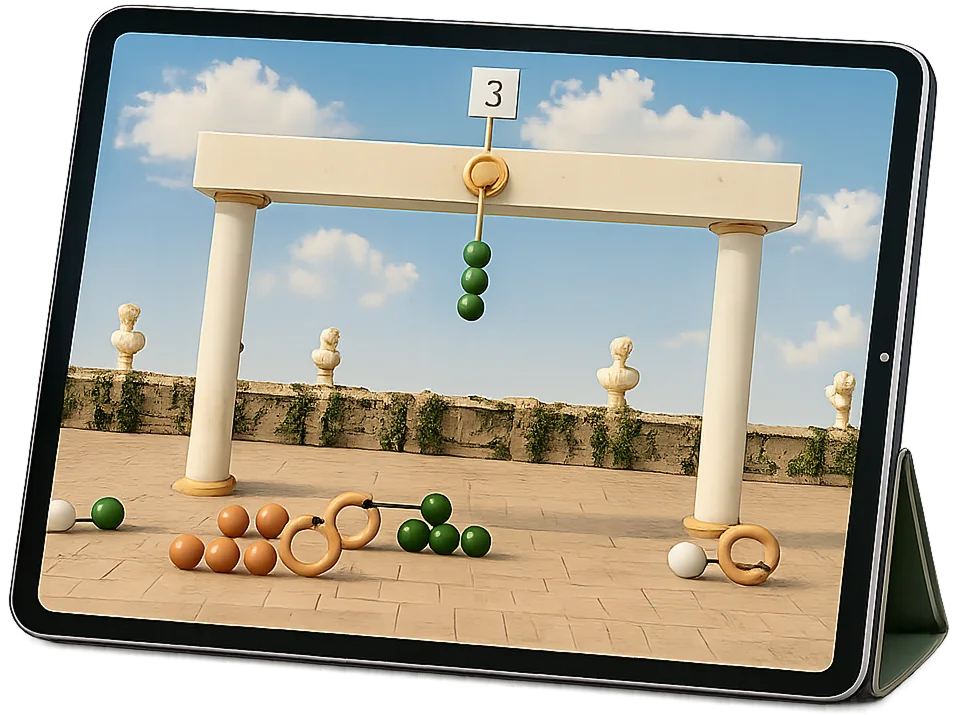
Build from letter sounds to words, sentences, and books with Sage Teacher. Try phonics, early reading, and every other subject free for 7 days.
Start my free trial with Sage Teacher