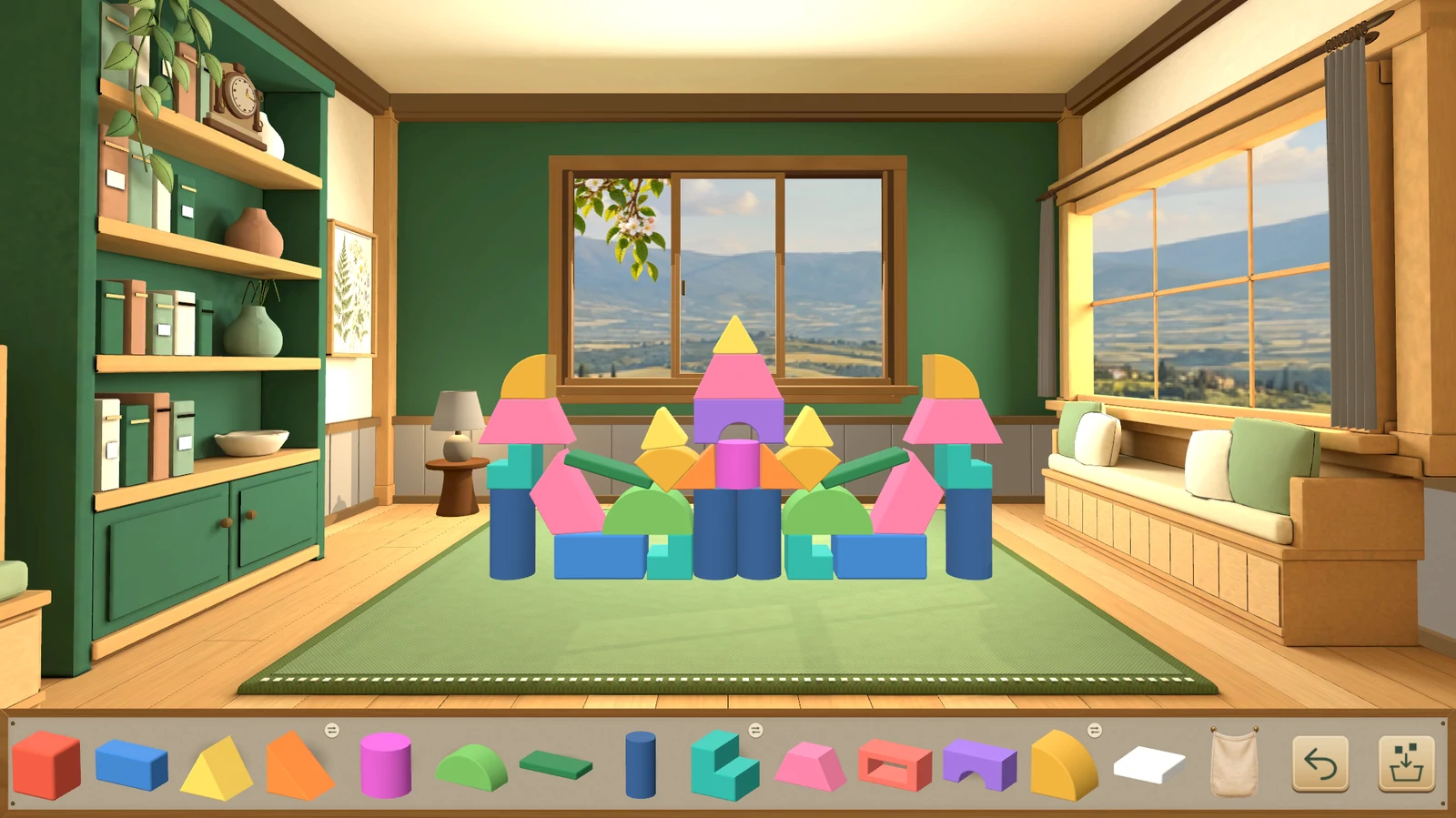
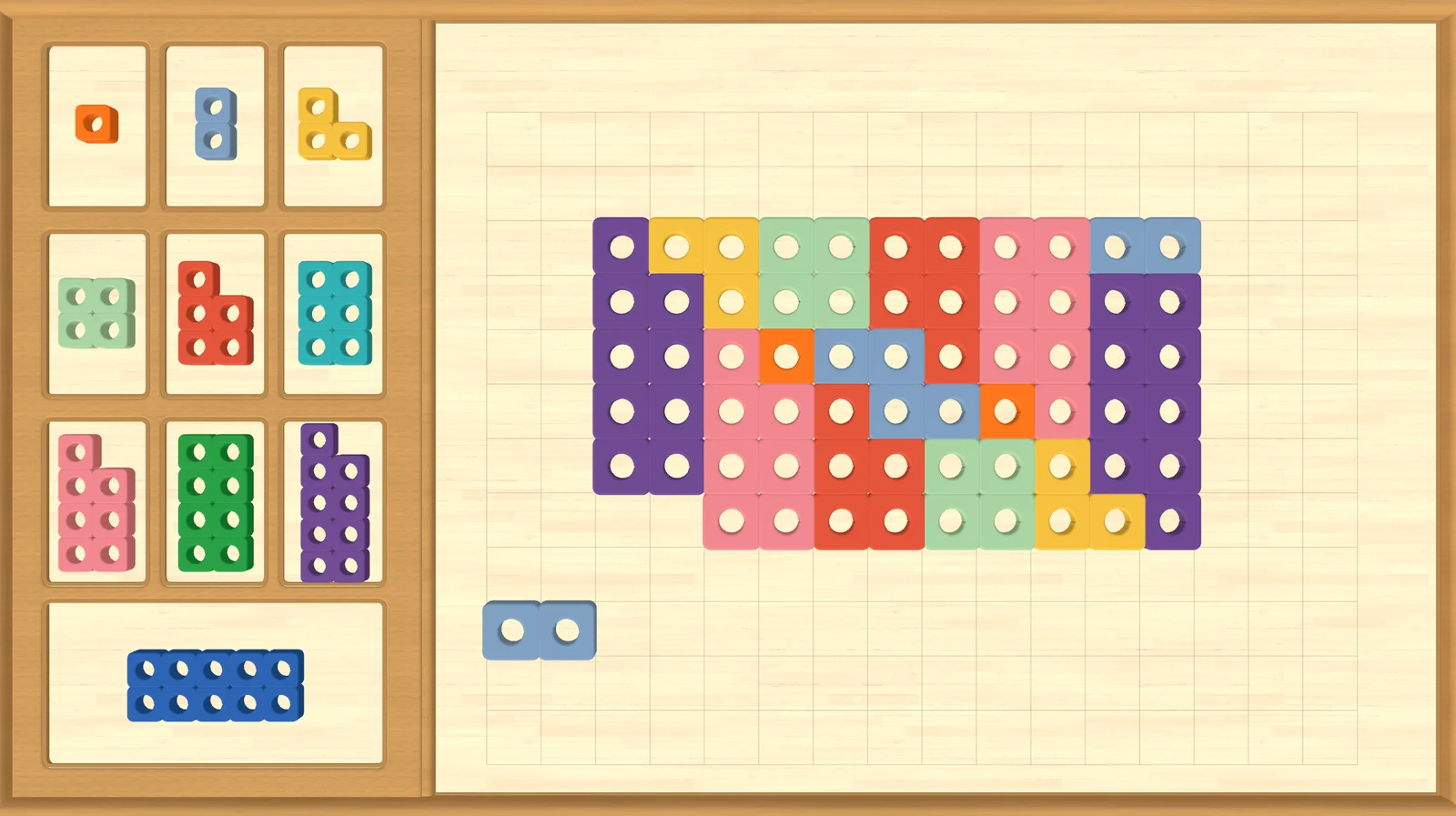
Sage helps children ages 4–8 build strong reading and math skills through a structured curriculum, with room for creative play in Free Explore. Both apps make room for open-ended play. Sage combines that freedom to explore with teaching designed to help children master real academic skills; Pok Pok is built as a playroom of self-directed digital toys.
Choose Sage Teacher for a structured reading and math curriculum alongside child-led creative play. Choose Pok Pok for a dedicated playroom of open-ended digital toys.
Choose Sage Teacher
For strong academic foundations and room to play.
Sage teaches reading and math in a progression of skills, adapting lessons to what your child understands and revisiting learning over time. Free Explore also gives them creative, ungraded activities to choose for themselves.
Choose Pok Pok
For a playroom your child directs.
Pok Pok’s digital toys are designed for exploration without winning, losing, or a right answer to find. It is a good fit when a dedicated, self-directed playroom is all your family needs.
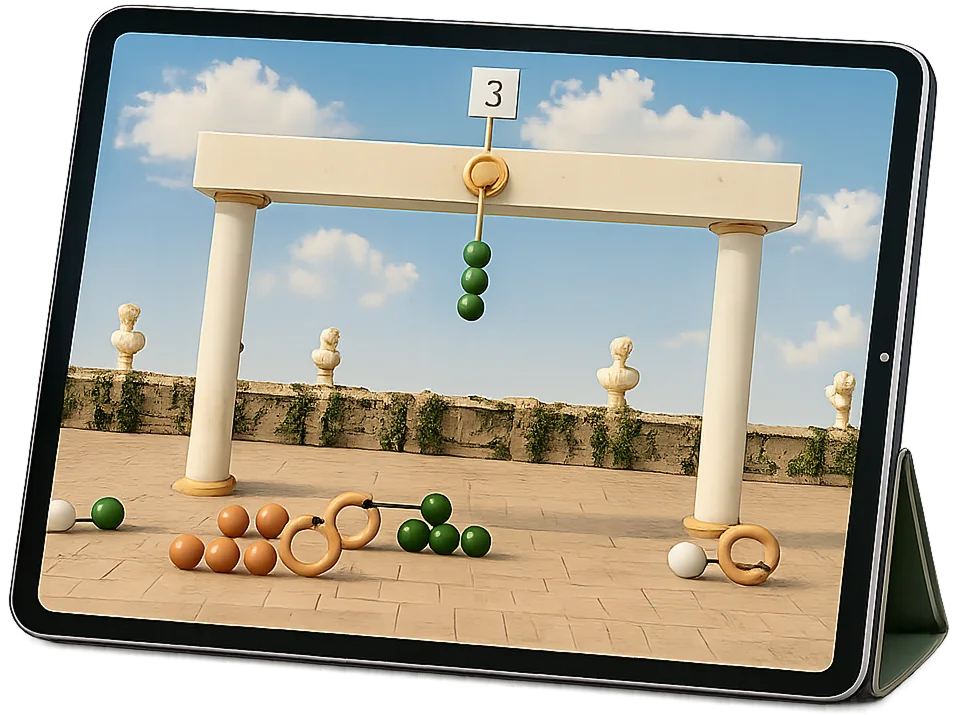
Counting and comparing number shapes in Sage Teacher.
Building real academic skills
Strong foundations, one skill at a time.
Sage teaches reading and math through a structured progression of skills. Lessons build on what your child already understands, with practice and review designed to help learning stick. When a concept is difficult, Sage can teach it another way or return to an earlier foundation before moving forward.
Sage adds a deliberate path toward mastering reading and math skills, while keeping creative, child-led play available in Free Explore. Pok Pok keeps the play open-ended rather than adding a teaching path for a particular academic challenge.
What your child experiences
Sage Teacher vs Pok Pok, at a glance.
Compare how each app approaches learning, creative play, and everyday family needs.
Sage Teacher and Pok Pok: teaching, learning environment, and family fit
What matters
Sage TeacherStructured curriculum + Free Explore
Pok PokOpen-ended digital play
Main purpose
Teaches reading and math through a structured curriculum, alongside child-led Free Explore activities.
Open-ended digital toys inspired by Montessori-style play.
Child-led play
In Free Explore, children choose creative, ungraded activities for themselves.
The child directs play and discovers what the toys can do.
When something is hard
Sage teaches the concept another way or returns to earlier foundations before moving forward.
Play is deliberately designed without right or wrong answers or losing.
Academic content
A structured progression of reading and math skills, with practice and review designed to build mastery.
Includes toys with phonics, numbers, geometry, and other learning themes.
Calm design
No points, prizes, gamification, or streaks. Ad-free. Learning and exploration are the focus.
Calm visual and sound design with no winning or losing.
Ending screen time
Parent-set session length. When time is up, Sage starts a guided wind-down to help kids transition off the screen.
No built-in time limits, with the potential for unlimited play.
Ages & devices
Ages 4–8 · iPad and web
Ages 2–8 · Apple and Android devices.
Family price
7-day free trial for the whole family. Less than $1/day. ($299.99 annual plan or $49.99/month)
$6.99/month or $45.99/year after a 7-day free trial. One subscription covers the family’s devices.
A Place to Paint, Build, and Follow Their Curiosity
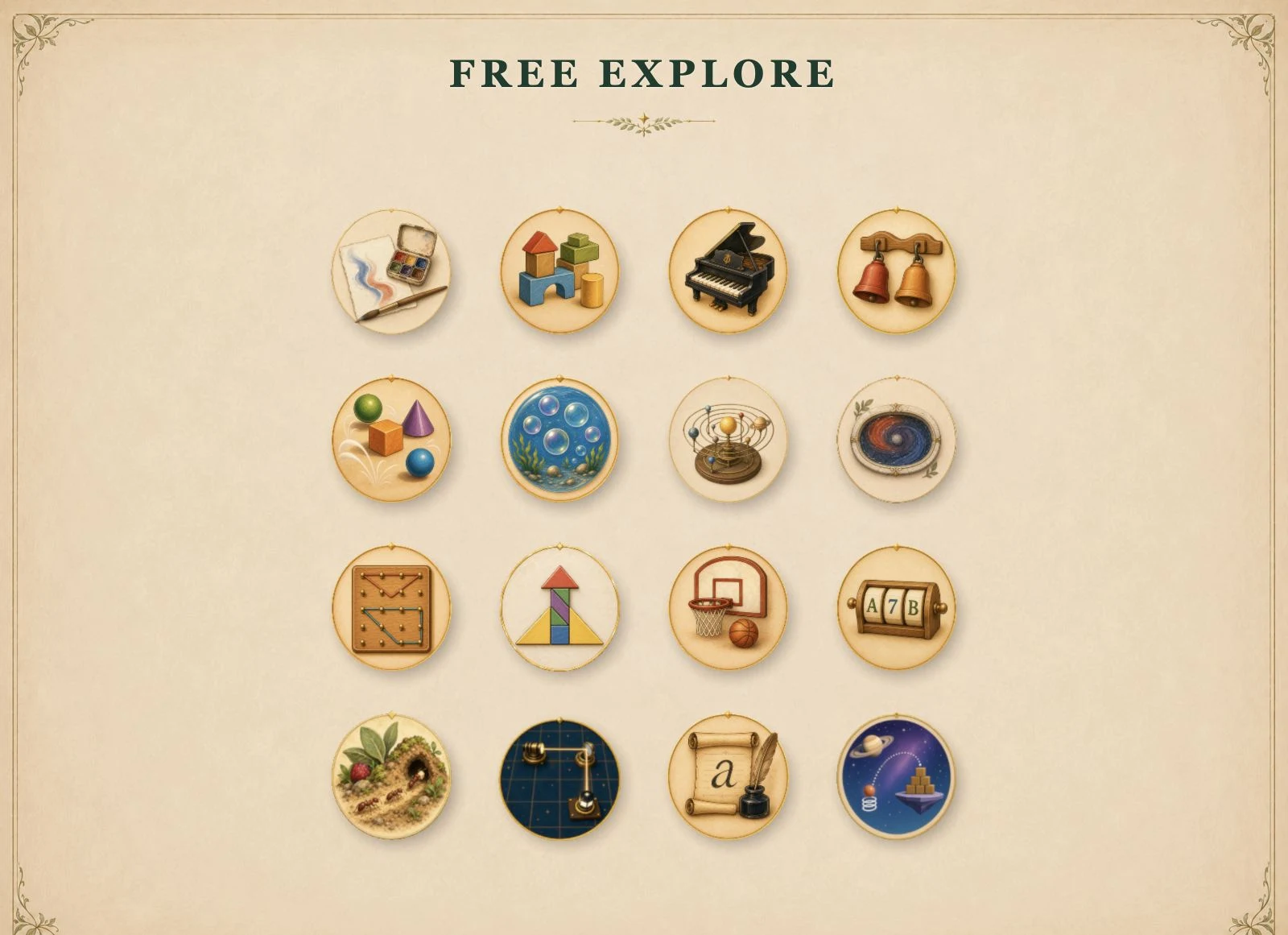
Sage’s Free Explore gives children room to paint, build, make music, and follow their curiosity in creative, ungraded activities. They can choose what interests them, alongside the structured lessons available in the same app.
You choose how long your child’s session lasts. When time is up, Sage starts a guided wind-down to help kids transition off the screen. There are no points, prizes, or streaks. Pok Pok shares the calm, open-ended design goal, while Sage pairs that option with a structured reading and math curriculum in the same subscription.
Creative play in Sage Teacher’s Free Explore: painting, music, building, and more.
What you are paying for
A reading and math curriculum, with room to play.
Sage costs $49.99/month or $299.99/year after a 7-day trial and covers the whole family. The subscription includes a structured reading and math curriculum, an AI teacher who adapts lessons to your child’s understanding, and creative, ungraded activities in Free Explore.
Pok Pok costs $6.99/month or $45.99/year after a 7-day free trial, with one subscription shared across the family’s devices. It costs less and focuses on open-ended digital play. Sage combines creative play with ongoing teaching, practice, and review designed to build lasting academic skills.
Choose Sage for a structured path to stronger reading and math skills, with creative play included for the whole family.
Yes. Pok Pok has toys for phonics, numbers, and geometry. Children explore those ideas through open-ended play, rather than following a structured curriculum. Sage teaches reading and math through a progression of skills designed to build mastery, and also offers creative, ungraded play in Free Explore.
Are both apps calm?
Sage offers a calm setting for both Free Explore and guided learning, without points, prizes, or streaks. You choose how long your child’s session lasts. When time is up, Sage starts a guided wind-down to help kids transition off the screen. Pok Pok also emphasizes calm, open-ended toys without winning or losing.
Which is better for a child who needs help with early math?
Sage is the stronger fit for learning early math through a structured curriculum. It teaches skills in a progression, adjusts lessons to your child’s understanding, and revisits earlier learning to build mastery. They can still use Free Explore when they simply want creative, child-led play.
Which is suitable for a younger child?
Sage is designed for ages 4–8. Pok Pok’s homepage includes children as young as two, making it a more relevant option for families seeking digital play below Sage’s age range.
Do both apps have a parent-set time limit?
Sage lets you choose how long your child’s session lasts. When time is up, Sage starts a guided wind-down to help kids transition off the screen. Pok Pok has no built-in time limits, so play can continue without a limit. Parents must stop play themselves or set a limit through the device’s operating system.
Calm screen time. Thoughtful teaching.
Try Calm, Guided Reading and Math.
Sage combines a structured reading and math curriculum with creative play in Free Explore. Pok Pok is a dedicated open-ended digital playroom.